
Mughal gardens are a legacy of the Mughal emperors, blending Persian charbagh design with Indian landscapes. Known for their symmetry, flowing water channels, marble fountains, and colorful flowers, these gardens remain a timeless symbol of paradise on earth.
From Kashmir’s Shalimar Bagh to Delhi’s Roshanara Bagh, each garden reflects Mughal artistry, architecture, and a deep appreciation for nature. Even today, they continue to enchant visitors with their perfect balance of beauty and serenity.
Built by Emperor Jahangir in 1619, Shalimar Bagh is the “Crown of Srinagar.” Its terraced lawns, cascading fountains, and centuries-old chinar trees overlook the Dal Lake, making it one of the most celebrated Mughal gardens in India.
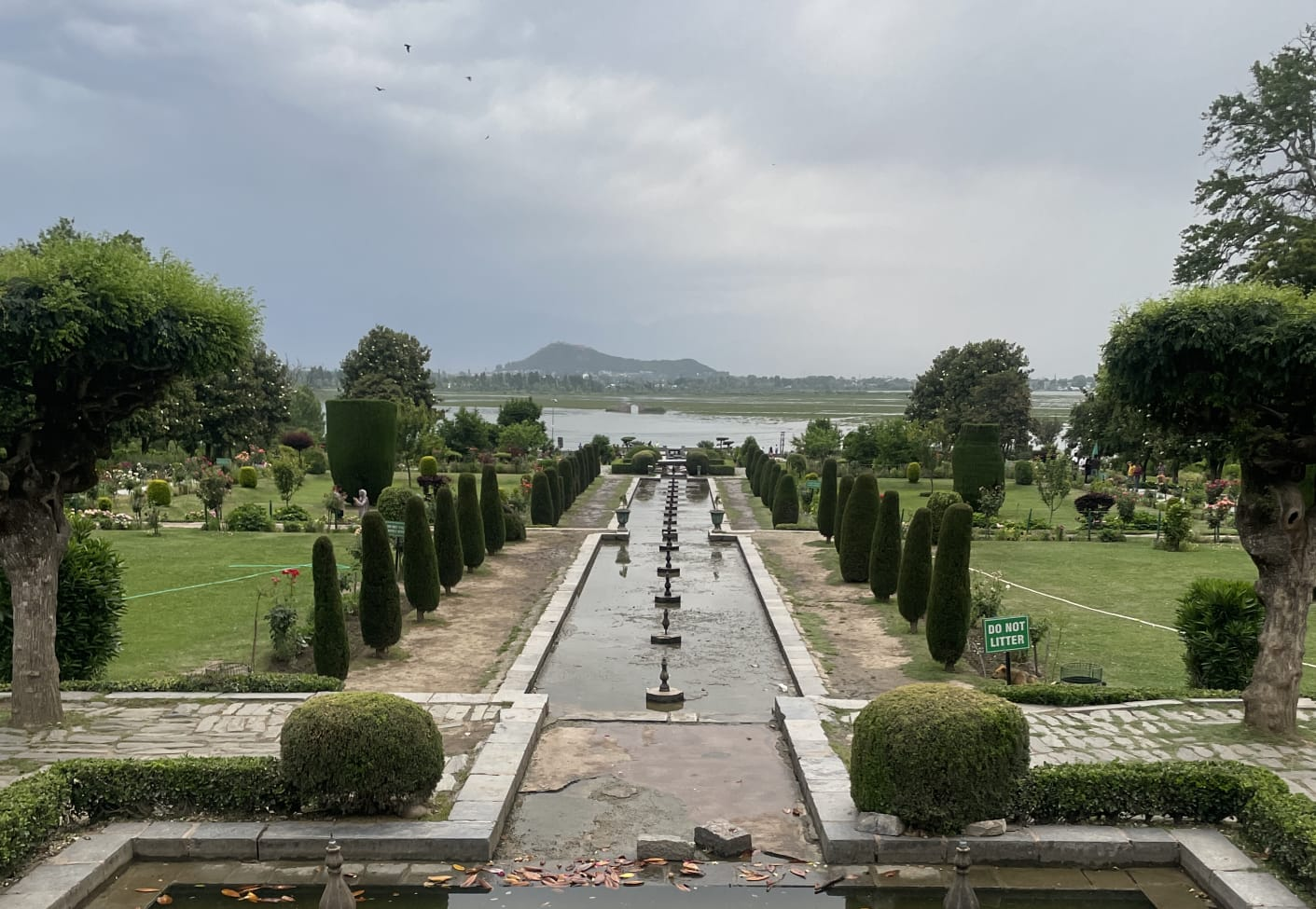
Known as the “Garden of Joy,” Nishat Bagh features 12 majestic terraces lined with vibrant flowers, flowing water channels, and a breathtaking view of the Zabarwan Mountains and Dal Lake.

Established by Emperor Akbar in 1586, Naseem Bagh is renowned for its centuries-old chinar trees. The garden is especially stunning in autumn, when the foliage turns golden red.
Mughal gardens originated from the Persian charbagh tradition, which divides the garden into four parts using water channels. This design symbolized paradise on earth – a perfect balance of water, greenery, and architecture.
The Mughal emperors, beginning with Babur, introduced this style in India. Later rulers such as Jahangir and Shah Jahan expanded the tradition, creating masterpieces like Shalimar Bagh and Nishat Bagh. The gardens were more than recreational spaces – they were statements of imperial power, cultural refinement, and spiritual symbolism.
Water, symmetry, and geometry were at the heart of their philosophy, representing purity, order, and eternal beauty.
Best Time to Visit:
Spring (Feb–April) for tulips, roses, and lush greenery.
Autumn (Oct–Nov) in Kashmir, when chinar trees turn golden red.
Entry: Most gardens are free or charge a nominal fee. Amrit Udyan (Delhi) is seasonal and opens only during “Udyanotsav.”
Travel Tips:
Visit early morning or late afternoon for the best light and fewer crowds.
Wear comfortable shoes for walking across terraces.
Opt for guided tours to learn the rich history behind each site.